
How ESL Technology Reduces Pricing Errors and Labor Costs
-
February 16 , 2026
-
38

In modern retail, pricing accuracy and operational efficiency aren’t just goals they’re critical competitive advantages. Traditional paper price tags are one of the biggest sources of mistakes, delays, and unnecessary labor expense in store operations. That’s why major retailers around the world are switching to Electronic Shelf Label (ESL) systems.
Companies like Hanshow are driving this shift with digital shelf displays that not only update prices instantly but also help reduce labor strain and eliminate pricing errors that cost time, money, and customer trust.
In this post, we break down exactly how ESL technology delivers these savings.
Table of Contents
1. Pricing Errors: A Silent Retail Expense
Pricing mistakes affect retailers everywhere. A product tag that hasn’t been updated, a misprinted label, or a sale that isn’t reflected on the shelf can lead to:
-
checkout disputes
-
refunds and corrections
-
lost sales
-
customer dissatisfaction
In a store with thousands of items, even a small error rate leads to significant cumulative losses over time.
2. Why Manual Price Updates Fail
Paper labels create problems because they rely on humans to:
-
print correct tags
-
transport them to the sales floor
-
replace each one individually
-
ensure every aisle matches the central pricing system
This process is:
✔ Slow
✔ Error-prone
✔ Costly
✔ Hard to audit in real time
Retailers sometimes delay price changes for days because manual updates are disruptive and labor-intensive.
3. What Electronic Shelf Labels (ESLs) Actually Do
Electronic Shelf Labels replace paper tags with digital displays that communicate wirelessly with a central pricing system.
With ESLs:
-
prices update instantly across every aisle
-
shelf and checkout systems remain in sync
-
promotions can be scheduled ahead of time
-
adjustments can be made centrally
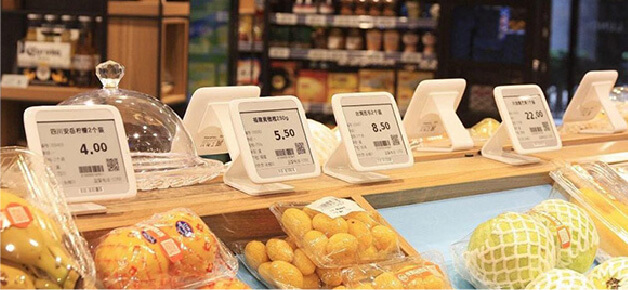
This removes most manual work from pricing updates.
4. How ESLs Eliminate Price Mismatches
One of the biggest sources of pricing errors comes from mismatches between the shelf tag and the checkout system.
With ESLs:
✔ Price synchronization is automatic
✔ System updates propagate instantly
✔ No physical tag replacement is needed
This eliminates common situations where customers see one price on the shelf and another at checkout a top cause of cashier overrides, refunds, and lost trust.
5. Labor Savings: From Manual Tagging to Instant Updates
Pricing changes used to require:
-
staff being pulled from regular duties
-
hours spent updating tags aisle by aisle
-
double-checks to prevent errors
With ESL technology, these tasks are replaced by software actions:
✔ One admin update changes thousands of displays
✔ Staff are freed for customer service and merchandising
✔ Audit trails and logs reduce re-work
Retailers often see 70%–90% reductions in pricing labor costs after switching to ESL.
6. Real-Time Pricing and Compliance Control
Price compliance isn’t just a best practice it’s a legal requirement in many markets. ESL systems support compliance by:
-
logging when prices were updated
-
tracking display status
-
showing alerts if any label fails to sync
This removes guesswork and supports real-time auditing something paper tags can never do.
7. Reduced Waste and Promotional Inefficiencies
Paper pricing generates waste through:
-
printed tags that are thrown away
-
overproduction of signage
-
last-minute price changes that go unprinted
The cost of printing ink, paper, and staff time adds up quickly.
ESL systems eliminate this waste entirely because pricing and promotions are managed digitally.
8. Case Examples of Error Reduction
Across industries, retailers deploying ESL report:
-
fewer checkout overrides
-
higher pricing accuracy
-
more consistent promotions
-
better loyalty outcomes
For example, fresh food departments that run expiration-based discounts see fewer markdown mistakes with digital prices that can change at the push of a button.
9. Measuring the ROI of ESL Deployment
Retailers track savings from ESL systems through:
✔ labor hours saved
✔ reduction in price mismatches
✔ lower waste from printed materials
✔ increased sales from accurate promotions
Payback periods for ESL systems are often 12–24 months in mid-to-large store deployments.
10. Final Thoughts
Pricing accuracy and labor efficiency once lived at opposite ends of the retail spectrum high accuracy meant high labor cost. Electronic Shelf Labels remove that compromise.
With real-time pricing, automatic synchronization, and digital management, ESL technology cuts errors, cuts costs, and supports smarter store operations. Retailers that adopt ESL systems now are positioning themselves to compete more effectively in an increasingly digital marketplace.
Leave a Reply
Your email address will not be published. Required fields are marked
Can I write you?
Sign up to get my weekly newsletter.